


Recharging Hybrid Teams: How Energy Drives Performance in a Digital World
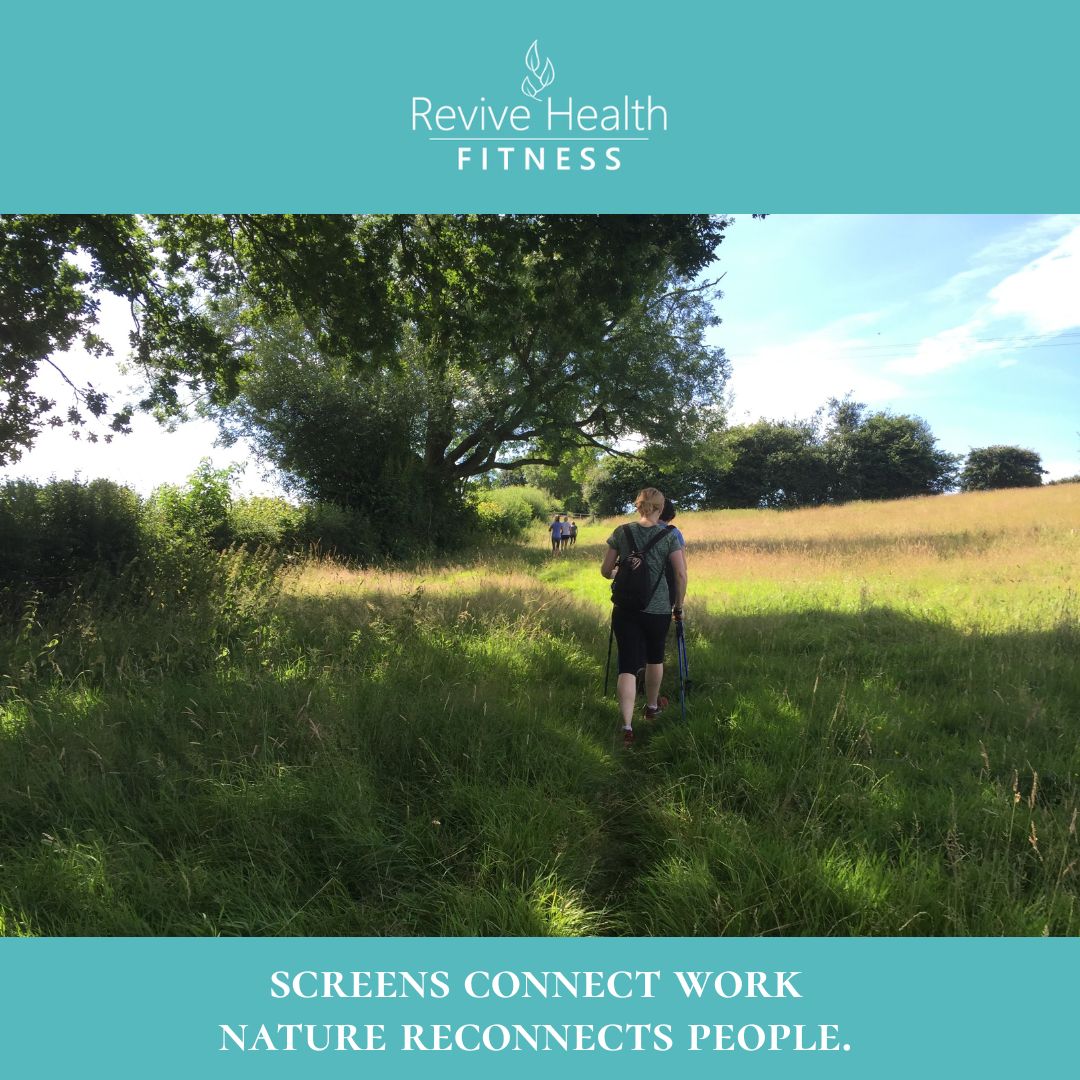
Hybrid work has transformed how teams operate — but it has also quietly drained the energy of thousands of employees across the UK.
According to the CIPD Health and Wellbeing Report (2023), nearly half of UK hybrid workers say the model has increased fatigue, largely due to digital overload, blurred boundaries, and a decline in real human connection.
The challenges are subtle but powerful:
- Constant screen time exhausts the brain
- Movement drops dramatically
- Communication becomes functional rather than relational
- Team cohesion weakens without shared experiences
The NHS (2023) highlights that reduced movement and irregular routines significantly affect mood and energy regulation.
Meanwhile, the WHO (2022) confirms that prolonged screen exposure increases stress markers and reduces cognitive performance.
But hybrid work itself isn’t the problem — it’s the missing energy strategy
High-performing hybrid teams build rhythms that support wellbeing:
✔ periods of focused work
✔ intentional breaks
✔ movement woven into the workday
✔ time offline
✔ purposeful in-person reconnection
And that’s where nature plays a transformative role.
On our countryside wellbeing retreats, we regularly see hybrid teams rediscover what they’ve been missing: genuine connection, laughter, clarity and a sense of belonging. Away from screens, they reset. In nature, they recover. Together, they rebuild their rhythm.
These resets aren’t just refreshing — they are strategic.
Teams return more:
- Engaged
- Energised
- Connected
- Creative
Hybrid performance isn’t powered by technology.
It’s powered by the energy and connection between the people using it.
For HR leaders and business owners, this is the opportunity:
Create space for your teams to reconnect, recover and recharge.
“screens connect work nature connects people.”


Leave a Reply