


Leading With Rhythm: The Secret to Stress Prevention & Sustainable Performance
In sport, recovery wasn’t optional — it was part of the training.
Without it, performance dropped and injury rates rose.
In business, the pattern is the same.
Constant pressure, back-to-back meetings, and digital overload are today’s equivalent of overtraining.
According to the Health and Safety Executive (2023), work-related stress, depression, and anxiety now account for over 50% of all lost working days in the UK — costing employers millions in absence and lost productivity.
But the good news is: it’s preventable.
The CIPD (2023) and WHO (2022) both emphasise that recovery rhythms — consistent breaks, movement, nature exposure, and supportive culture — dramatically reduce burnout and improve decision-making. When leaders build recovery into their routine, teams mirror it. And that’s where performance thrives. We see this every day on our wellbeing retreats. When people step away from noise, deadlines, and screens, something powerful happens:
• Stress levels drop
• Energy resets
• Collaboration returns
This isn’t downtime — it’s strategy.
A well-timed pause fuels better leadership, sharper focus, and stronger results.
As one client told me:
“After the retreat, my team didn’t just work better — they worked smarter.”
For HR leaders, entrepreneurs, and business owners, that’s the new performance model.
Recovery isn’t the opposite of productivity.
It’s the foundation of it.
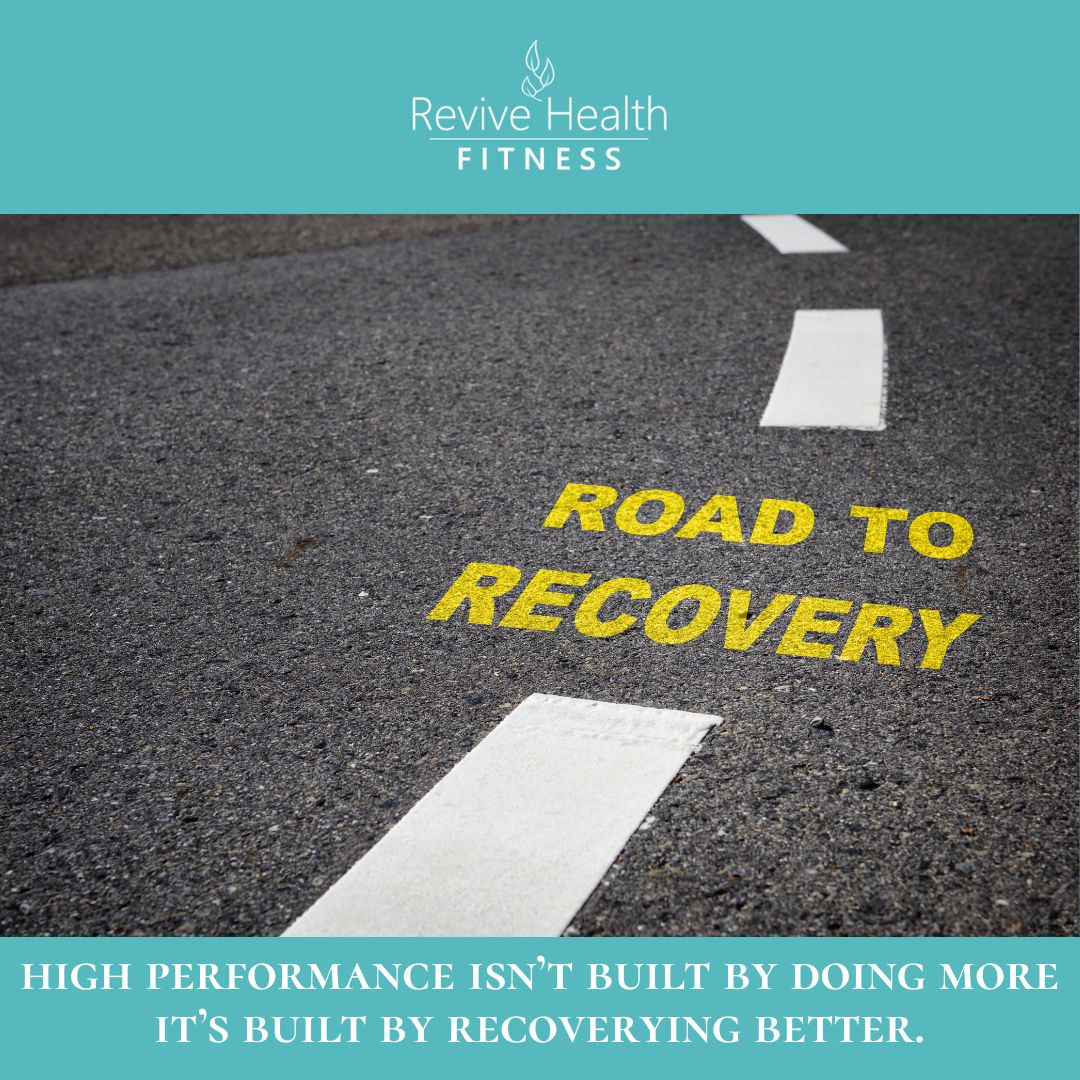
“High performance isn’t built by doing more — it’s built by recovering better.”


Leave a Reply